Experiential marketing is more than just another buzzword in the marketing world. It's a dynamic approach that focuses on creating memorable and interactive consumer experiences. Unlike traditional marketing, which often broadcasts a one-size-fits-all message, experiential marketing seeks to engage the target audience in person, fostering a deeper emotional connection between the brand and the consumer.
The True Definition of Experiential Marketing
Experiential marketing, often intertwined with terms like "event marketing" and "engagement marketing," is a transformative marketing tactic that prioritizes genuine interactions between brands and their potential customers.
Moving away from traditional marketing efforts that might involve one-off advertisements or broad campaigns, experiential marketing dives deep into creating live events or activations where consumers can directly engage with a brand's product or service.
It's not just about building brand awareness through marketing tools or strategies; it's about fostering a unique brand experience. This hands-on approach, often seen in pop-up shops or trade shows, allows marketers to forge a relationship with their target audience, offering them an interactive experience that resonates on a personal level.
Why Experiential Marketing Campaigns Are Essential
Consumers are bombarded with countless marketing messages daily in today's digital age. To stand out, brands must offer more than just a product or service – they must provide an experience. Experiential marketing campaigns offer a unique way for brands to:
Engage with their target audience in person.
Build a connection and brand loyalty through memorable experiences.
Create a buzz and increase brand awareness and loyalty among consumers.
Generate word-of-mouth marketing as attendees share their experiences.
A study in the U.S. by Event Marketer showed that 40% of consumers felt more brand loyalty after participating in a brand experience or interaction, and 91% were more likely to purchase the product or service. Why? Because experiential marketing works. It gives consumers a unique customer experience, turning them into loyal customers. This strategy is not just about immediate conversion but fostering long-term customer loyalty.
The ROI (Return on Investment) from such marketing efforts is often substantial. By leveraging the right marketing tools, brands can craft the best marketing strategies that boost brand awareness and drive conversion. With the rise of digital platforms, virtual events, and webinars have also become integral to experiential marketing, offering a blend of in-person and online experiences.
Crafting the Perfect Experiential Marketing Strategy
Crafting a winning experiential marketing strategy is more than just organizing a marketing event or launching a type of campaign. It's about understanding the intricate dance between brand and consumer, ensuring every step resonates with the target audience.
Firstly, brands need to dive deep into the desires and needs of their target audience. This involves actionable analytics and key performance indicators (KPIs) that reflect consumer behavior and preferences.
With this data, experiential marketers can pinpoint the marketing experiences most appealing to their audience.
For instance, if analytics show a spike in social media engagement around live marketing events, a brand might consider hosting experiential marketing events like pop-up shops or interactive webinars. The goal is to create a unique experience that engages the audience, builds brand awareness, and drives sales.
The marketing team is pivotal in ensuring the strategy's success. They're the ones who will harness marketing software, engage with the brand's audience on social platforms, and generate interest in the brand's offerings.
Experiential Marketing in 2023: The Future is Now
The digital age has revolutionized the way brands approach experiential marketing.
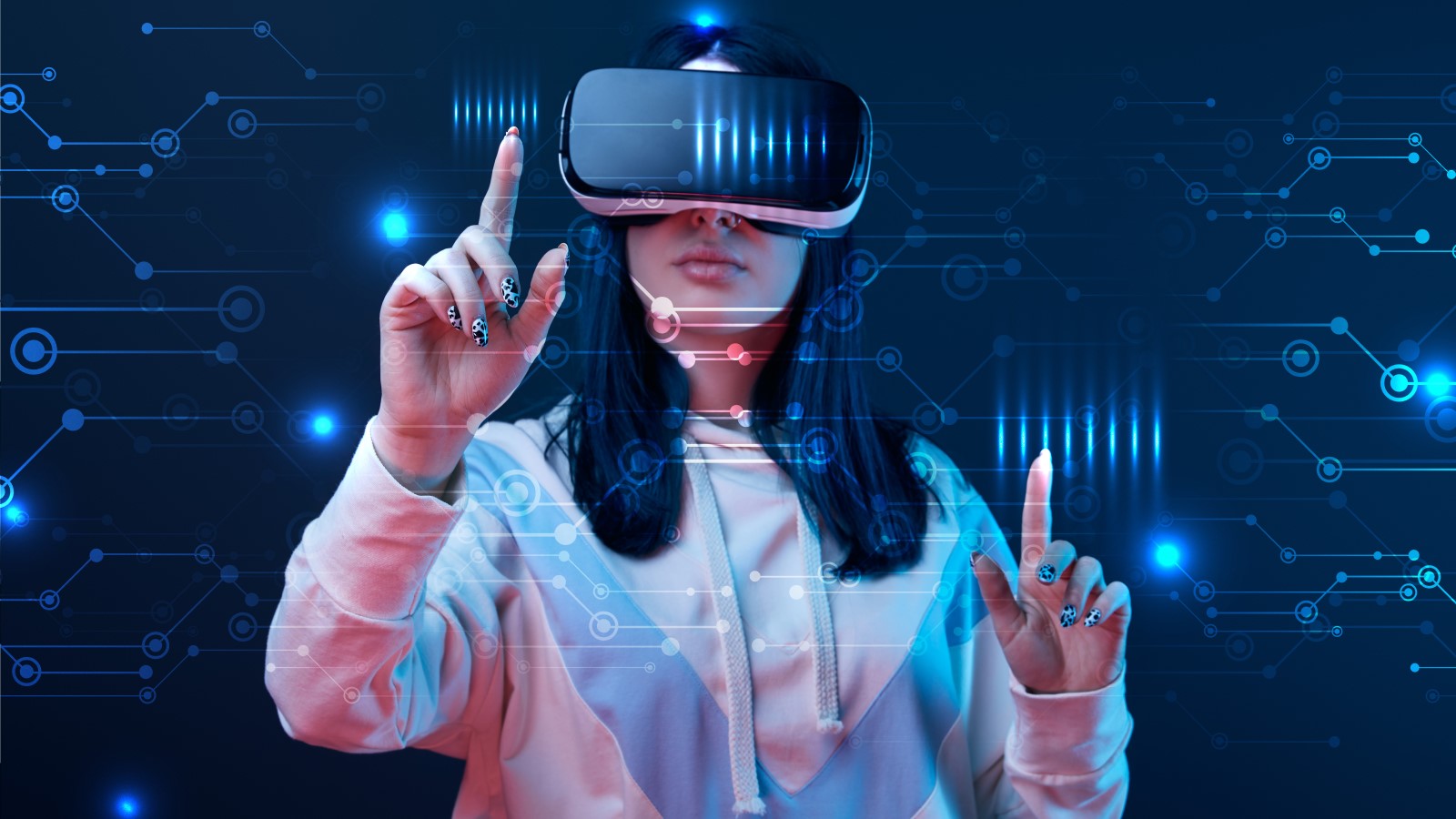
With advancements like 360-degree virtual reality product demonstrations or augmented reality pop-up shops, brands can offer consumers across the U.S. and beyond a live experience without leaving their homes. These unique digital experiences are blurring the lines between the online and offline worlds, creating an omnichannel marketing approach.
For instance, a golf club brand might use virtual reality to let potential customers test out their clubs on famous golf courses worldwide, all from the comfort of a local vending machine setup. Such experiences not only create a buzz but also help in building brand awareness in a saturated market.
As we navigate through 2023, the difference between experiential marketing and traditional methods becomes even more pronounced. Brands that can seamlessly integrate online elements with offline experiences are the ones that stand out.
Whether through team-building activities that merge the virtual and real worlds or through content marketers crafting stories that people love, the future of experiential marketing is bright and full of potential.
Incorporating Technology into Experiential Campaigns
The digital revolution has transformed the landscape of experiential marketing.
With the advent of tools like virtual reality and augmented reality, brands have many options to craft campaigns that resonate deeply with their audience. These aren't just gimmicks; they're powerful platforms that can bring a brand's values to life in ways previously unimaginable.
Moreover, integrating these technologies into experiential marketing gives brands a unique way to engage new customers. It's not just about showcasing products or services; it's about building a narrative where customers can actively participate and team-build with the brand, forging a deeper connection.
The Undeniable Impact of Experiential Marketing on Your Brand
Experiential marketing stands out as a beacon for brands aiming to create lasting impressions in the vast sea of marketing strategies. It's more than just a fleeting trend; it's a testament to the power of human connection in a digital age.
Brands that harness the power of experiential marketing understand its potential. They recognize that it's not just about making a sale; it's about creating an experience that lingers in the minds of consumers. By offering memorable moments, brands can foster a sense of loyalty that transcends traditional marketing tactics.
Consider the experiential marketing examples from recent years. These aren't just events but stories where consumers play the lead role. The success of these examples of experiential marketing showcases how brands can increase sales, foster loyalty, and stand out in a competitive market.
In essence, experiential marketing helps brands bridge the gap between them and their audience. It provides a platform for brands and consumers to unite, engage, and build lasting relationships. As the marketing world continues to evolve, those brands that can adapt and harness the power of experiential marketing will not only survive but thrive.