In the ever-evolving digital landscape, brands are on a relentless quest to forge deeper connections with their audience. Experiential marketing emerges as the beacon, transcending traditional advertising by plunging consumers into unforgettable, real-world experiences.
From innovative pop-up events to hashtag-driven VR stunts, this article delves into examples of experiential marketing that epitomize great experiential marketing and forecasts the trends teams will adopt in 2023 and the years to follow.
Experiential Marketing in the Hospitality Industry: Elevating Guest Experiences in 2023 and Beyond
The hospitality industry is no stranger to the power of experiential marketing. Brands are leveraging immersive experiences to redefine the guest journey.
1. Marriott's Virtual Reality Travel Experience
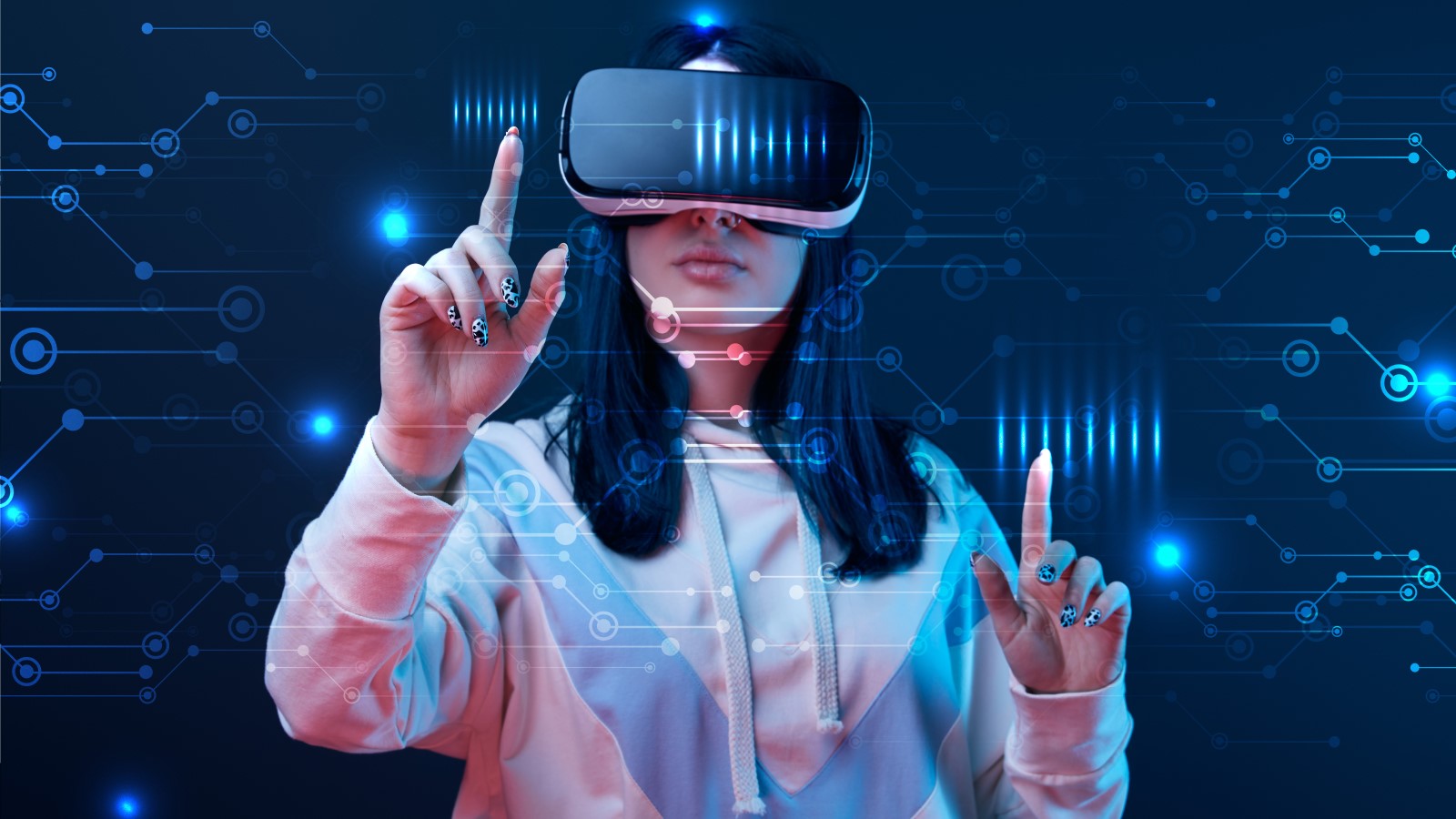
Marriott unveiled a groundbreaking virtual reality experience to embrace the future of travel. Imagine donning a headset and being instantly transported to a sun-soaked beach in Bali or the bustling streets of Tokyo. That's precisely what Marriott's "Teleporter" offers. This innovative approach showcases Marriott's vast global presence and taps into the wanderlust in all of us. It's a vivid reminder that the world is vast, diverse, and waiting to be explored – and Marriott can be your gateway.
2. Hilton's "Stop Clicking Around" Campaign
In the age of third-party booking sites, Hilton wanted to convey that the best deals and experiences are found when you book directly.
Their "Stop Clicking Around" campaign was more than just a call to action; it was a promise. By booking directly, guests were given exclusive discounts, complimentary Wi-Fi, and the ability to choose their rooms. More than just perks, these benefits were Hilton's way of saying thank you to their loyal customers and reinforcing their commitment to unparalleled service.
3. Westin's "Well-Being Movement"
Health and wellness have become paramount, especially for travelers.
Recognizing this trend, Westin Hotels & Resorts launched the "Westin Well-Being Movement”. This global initiative wasn't just about providing a bed to sleep in and promoting holistic well-being. From partnerships with fitness brands to in-hotel experiences like guided runs, yoga classes, and sleep-enhancing amenities, Westin aimed to ensure that guests left feeling better than when they arrived.
4. Four Seasons' Pop-Down Events
Four Seasons, a brand synonymous with luxury, took experiential marketing to a whole new level with their "Pop-Down" events.
Instead of pop-up shops, they hosted immersive events in major cities worldwide. Attendees were treated to a sensory experience that showcased the brand's culinary prowess, mixology expertise, and local culture. It celebrated all things Four Seasons, set against the backdrop of art, music, and entertainment.
5. Kimpton's "Room 301"
In an age where digital connections often overshadow personal ones, Kimpton sought to foster genuine human relationships.
"Room 301" was more than just a room; it was a shared space where guests were encouraged to leave behind stories, experiences, and memories. Through interactive elements like a communal journal and a camera to capture moments, Kimpton created a tapestry of diverse narratives, emphasizing the shared human experience.
6. Airbnb's "Night At" Campaign
Airbnb, a brand that has revolutionized the way we travel, decided to offer its users a genuinely unique experience.
Their "Night At" campaign allowed guests to spend the night in iconic locations – think sleeping under the majestic glass pyramid at the Louvre or being surrounded by marine life in an underwater bedroom. These once-in-a-lifetime experiences underscored Airbnb's commitment to offering more than just a place to stay; they crafted unforgettable memories.
Innovative Collaboration in Co-working Spaces: Best Experiential Marketing Examples
In modern work, co-working spaces have become more than shared offices.
They are vibrant ecosystems where creativity, collaboration, and innovation thrive. As these spaces redefine the traditional office setup, they also leverage experiential marketing to showcase their unique value propositions and foster community.
7. WeWork's Creator Awards
WeWork, one of the pioneers in the co-working space industry, launched the Creator Awards to celebrate the spirit of entrepreneurship. This wasn't just another award ceremony. The global event series recognized and rewarded innovators, entrepreneurs, and creators thinking outside the box.
Through live events, workshops, and networking sessions, WeWork highlighted the brilliant minds within its community and fostered deeper connections among its members. Attendees could learn from industry experts, connect with potential collaborators, and secure venture funding.
8. Spaces' Open House Events
Spaces, another major player in the co-working arena, understood the importance of firsthand experiences.
They regularly hosted open house events to showcase their state-of-the-art facilities and vibrant community. Potential members and curious visitors could tour the space, attend workshops, and participate in panel discussions. These events were more than just a sneak peek into the Spaces environment; they were an invitation to be part of a dynamic community of innovators and thought leaders.
9. Regus' "Workplace of the Future"
Regus, a global leader in flexible workspace solutions, embarked on an experiential marketing journey with its "Workplace of the Future" initiative.
They set up interactive installations in major cities, allowing the public to experience the future of work. From virtual reality office tours to augmented reality collaboration tools, Regus showcased how technology and design would shape the workspaces of tomorrow.
10. The Wing's "Women in Work" Symposium
The Wing, a co-working space designed for women, took experiential marketing to a new level with their "Women in Work" symposium.
This event brought together female leaders, entrepreneurs, and creatives for discussions, workshops, and networking. It highlighted The Wing's commitment to empowering women and fostering a supportive community where they can thrive.
11. CommonGrounds' "Art and Entrepreneurship" Series
Recognizing the intersection of creativity and business, CommonGrounds launched a series of events that blended art with entrepreneurship.
These events featured art exhibitions from local artists, followed by discussions on creativity in business. It celebrated the symbiotic relationship between art and innovation.
Co-working spaces are about more than just providing a desk and Wi-Fi. They're about creating environments where collaboration, innovation, and community flourish. Through experiential marketing campaigns, these spaces showcase their unique cultures, attract like-minded individuals, and solidify their positions as the future of work.
Immersive Experiential Marketing Campaigns in Real Estate: More Than Property Showcasing
Traditionally known for its brick-and-mortar approach, the real estate industry is transforming.
In an era where consumers seek experiences over mere transactions, real estate brands leverage experiential marketing to stand out and offer more than just property tours.
By creating immersive and memorable experiences, these brands showcase properties and build lasting relationships with potential buyers.
12. Weichert's Educational Events
Weichert Real Estate recognized the importance of informed decision-making regarding property investments.
Instead of just showcasing properties, they decided to educate their potential buyers. Hosting events in unique settings like local wine bars, art galleries, or even inside the properties they're listing, Weichert provided insights on topics ranging from first-time home buying to real estate investing.
These events offered attendees a dual benefit: valuable knowledge and a firsthand feel of the property, making the experience memorable.
13. Coldwell Banker's Smart Home Showcase
Coldwell Banker tapped into the trend with their Smart Home Showcase in an age of rapidly integrating technology into our homes.
This interactive experience allowed potential buyers to walk through a fully connected smart home, experiencing firsthand the conveniences and enhancements that modern technology can offer. From voice-activated lights to intelligent security systems, attendees could see how these features could elevate their living experience, making properties more appealing and future-ready.
14. Sotheby's Virtual Reality Home Tours
Embracing the digital age, Sotheby's International Realty introduced virtual reality home tours.
This immersive experience allowed potential buyers from anywhere in the world to walk through luxury properties virtually, capturing the essence of the space without physically being there.
This innovative approach expanded their reach and provided a unique and convenient way for buyers to explore properties.
15. Zillow's "Open House Redefined"
Zillow, a leading online real estate marketplace, reimagined the traditional open house concept. Instead of just touring a property, attendees were treated to a complete experience. This included interactive sessions on interior design, landscaping workshops, and even culinary demonstrations in the property's kitchen. It showcased the potential of the space and how it could be transformed to fit the buyer's lifestyle.
The real estate industry's embrace of experiential marketing underscores a prevailing trend: today's consumers pursue comprehensive experiences.
For marketers and marketing agencies, the focus has shifted from merely presenting a property to weaving a narrative, forging a bond, and painting a picture of a possible lifestyle.
Government Agencies' Experiential Event Initiatives: Making Public Engagement Immersive and Shareable
Historically, government agencies have been perceived as distant and bureaucratic entities. However, in recent years, there's been a shift. Recognizing the importance of public trust and engagement, many governmental bodies are turning to experiential marketing. By doing so, they're not only making their operations more transparent but also showcasing their contributions in a more relatable manner.
16. FBI Little Rock's Social Media Presence
The FBI Little Rock office ventured into social media to break down barriers and connect with the younger generation.
By sharing behind-the-scenes content, safety tips, and stories about their agents, they transformed their image from a distant law enforcement agency to a group of dedicated professionals committed to public safety. Their approach made the agency more relatable, approachable, and humanized, bridging the gap between law enforcement and the communities they serve.
17. NASA's Social Media Campaigns
Space exploration has always captivated the public's imagination.
NASA tapped into this fascination by using social media platforms to share breathtaking images, videos, and live streams of their missions. But they didn't stop there. They also organized events like NASA Socials, where social media enthusiasts were invited to witness launches and other significant events in person. This immersive experience brought space enthusiasts closer to the action, fostering a deeper connection with the agency and its mission.
18. Environmental Protection Agency (EPA) Interactive Exhibits
The EPA set up interactive public space exhibits to raise awareness about environmental issues.
These exhibits, equipped with augmented reality and interactive touchscreens, educated visitors about the impact of pollution, climate change, and the importance of sustainable practices. By making the information engaging and interactive, the EPA effectively communicated its message and encouraged public participation in environmental conservation.
19. Department of Transportation's Virtual Reality Road Safety Campaign
Understanding the dangers of distracted driving, the Department of Transportation launched a virtual reality campaign.
Participants could wear VR headsets and experience the consequences of texting while driving in a simulated environment. This hard-hitting, immersive experience sent home the message about road safety and the perils of distracted driving.
20. National Park Service's "Park After Dark" Events
To promote the natural beauty and historical significance of national parks, the National Park Service organized "Park After Dark" events.
These nighttime events included guided tours, stargazing sessions, and wildlife spotting, providing attendees with a unique and memorable experience of the parks' nocturnal wonders.
In essence, government agencies are realizing the power of experiential marketing in fostering public trust and engagement. By offering immersive experiences and a closer look at their operations, they're demystifying their roles and building stronger connections with the communities they serve.
Pop-Up Gems of Experiential Marketing: Brands Creating Successful Experiential Campaigns
In the quest to stand out in a saturated market, brands are exploring groundbreaking strategies to captivate their audiences. Experiential marketing, which prioritizes unforgettable encounters, gained traction. What are some other extraordinary examples of campaigns that exemplify the prowess of experiential marketing?
21. IKEA's "The Wonderful Everyday" Campaign
IKEA, the Swedish furniture giant, has always been about making everyday life better.
With their "The Wonderful Everyday" campaign, they took this ethos to a new level. Instead of just showcasing furniture, they transformed everyday living spaces into immersive experiences. Pop-up events, interactive installations, and workshops were organized, allowing customers to see, feel, and experience the potential of their products. The campaign inspired customers to look beyond the mundane and reimagine the possibilities of their homes.
22. Refinery29's 29Rooms
Digital media company Refinery29 created a splash with their interactive art exhibit, 29Rooms.
As the name suggests, this event featured 29 unique rooms designed by different artists, brands, and celebrities. Attendees could immerse themselves in various experiences, from art installations to sensory explorations, making it a playground for creativity and self-expression.
23. Coca-Cola's "Share a Coke" Campaign
Personalization is a powerful tool in marketing, and Coca-Cola nailed it with its "Share a Coke" campaign.
Customers could personalize their Coke bottles with their names, friends, and family. This simple yet effective campaign transformed buying a soda into a personal, shareable experience, driving social media engagement and boosting brand awareness.
24. Red Bull's Stratos Project
Red Bull has always been associated with pushing boundaries, and the Stratos Project was no exception. In a record-breaking event, they sponsored Felix Baumgartner's skydive from the edge of space. The entire world watched as Baumgartner broke the sound barrier in freefall, reinforcing Red Bull's image as a brand that champions extreme feats and human potential.
25. Lean Cuisine's #WeighThis Campaign
Challenging societal norms, Lean Cuisine's #WeighThis campaign asked women how they wanted to be weighed. Instead of focusing on physical weight, women shared their achievements, struggles, and what truly defined them. The campaign, an interactive installation in Grand Central Station, resonated deeply with many, shifting the conversation around self-worth and body image.
26. Lego's Life-Size Car Installation
To showcase the limitless potential of their product, Lego built a life-size, drivable car entirely out of Lego bricks. Displayed in various locations, this installation was a testament to Lego's versatility and invited people to imagine, create, and push boundaries.
These standout experiential marketing strategies underscore this method's adaptability and profound influence. As brands collaborate with experiential marketing agencies to craft experiences that reimagine daily spaces, honor individual milestones, or challenge the limits of creativity, they are not only creating an experience that audiences are likely to share but also forging a deeper, more passionate bond with them.
The Future of Successful Experiential Marketing
Experiential marketing is more than just a fleeting trend. As brands deploy this dynamic strategy, they aim to establish deep, enduring connections with their audience. This article delves into the evolving trends poised to shape experiential marketing in 2023 and the subsequent years, highlighting how such initiatives can bolster a brand's identity, craft moments that resonate, and leave a lasting impact when executed precisely.
Hosting an event in experiential marketing isn't merely about the type of event but the collective experience it curates.
It offers customers a chance to test a brand's promise and for the brand to solidify its perception in the market.
By creating an emotional bridge between the consumer and the brand, companies can elevate the overall customer experience. Through on-brand activations and the involvement of brand ambassadors, the objective remains clear: to enhance brand identity and foster a deeper, more meaningful bond. This approach reshapes how consumers view a brand and solidifies its place in their preferences and loyalties.