Nestled in the heart of Los Angeles, The MacArthur, formerly known as the Park Plaza Hotel, has stood as a testament to both historical significance and architectural grandeur. Its transformation from a luxurious hotel to a pivotal cinematic location has been marked by countless films and television shows, making it a cultural landmark within the cinematic world.
The Historical Significance of The MacArthur
Constructed in the 1920s, The MacArthur has always been more than a hotel; it stands as a beacon of luxury and sophistication. Crafted in the exquisite Gothic Revival style, this landmark was intended to be a focal point for luxury and social events. Throughout the years, The MacArthur has smoothly transitioned from a high-profile hotel to an esteemed film industry icon, connecting the historical eras of Hollywood with today’s cinematic scene.
Architectural Elegance The building’s detailed Gothic Revival design, with its complex carvings, majestic staircases, and elaborate stained glass, captures the attention of filmmakers and spectators alike. These elements are integral to enhancing the visual and narrative quality of the movies filmed here, providing genuine and visually captivating settings that enrich the storytelling.
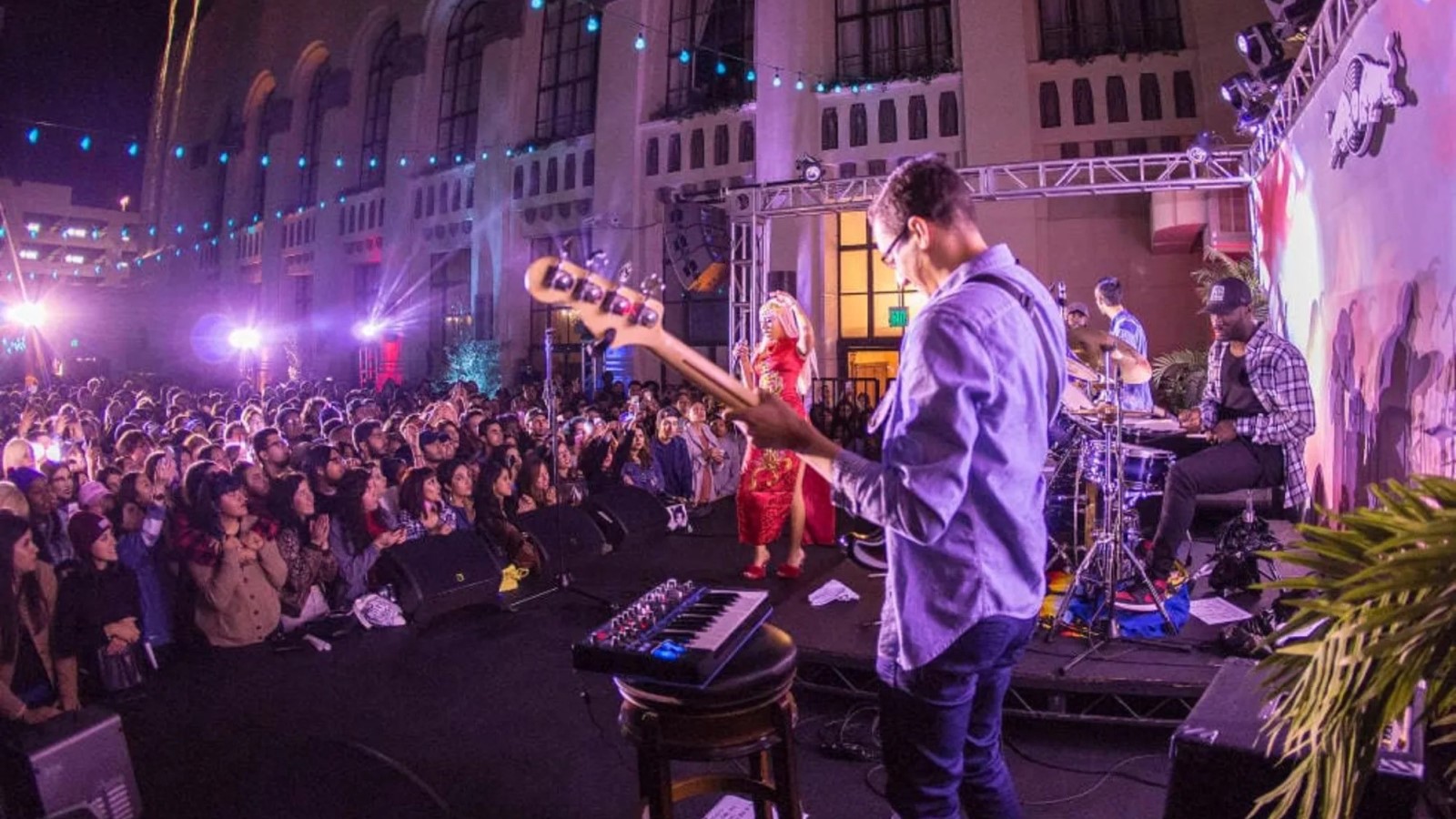
Cultural Hub Beyond its role in cinema, The MacArthur has played a crucial part in the cultural and social fabric of Los Angeles. It has been the venue for numerous significant events ranging from high-profile galas to political gatherings and elaborate weddings, contributing to its narrative as a center for key cultural moments. This role has enabled it to remain a cherished location in a city known for its dynamic and ever-evolving entertainment landscape.
Iconic Film Appearances
The MacArthur has not just been a backdrop but a significant element enhancing the narrative and mood of various iconic films. Its unique architecture and grand spaces have been pivotal in creating memorable cinematic moments.
Drive (2011)
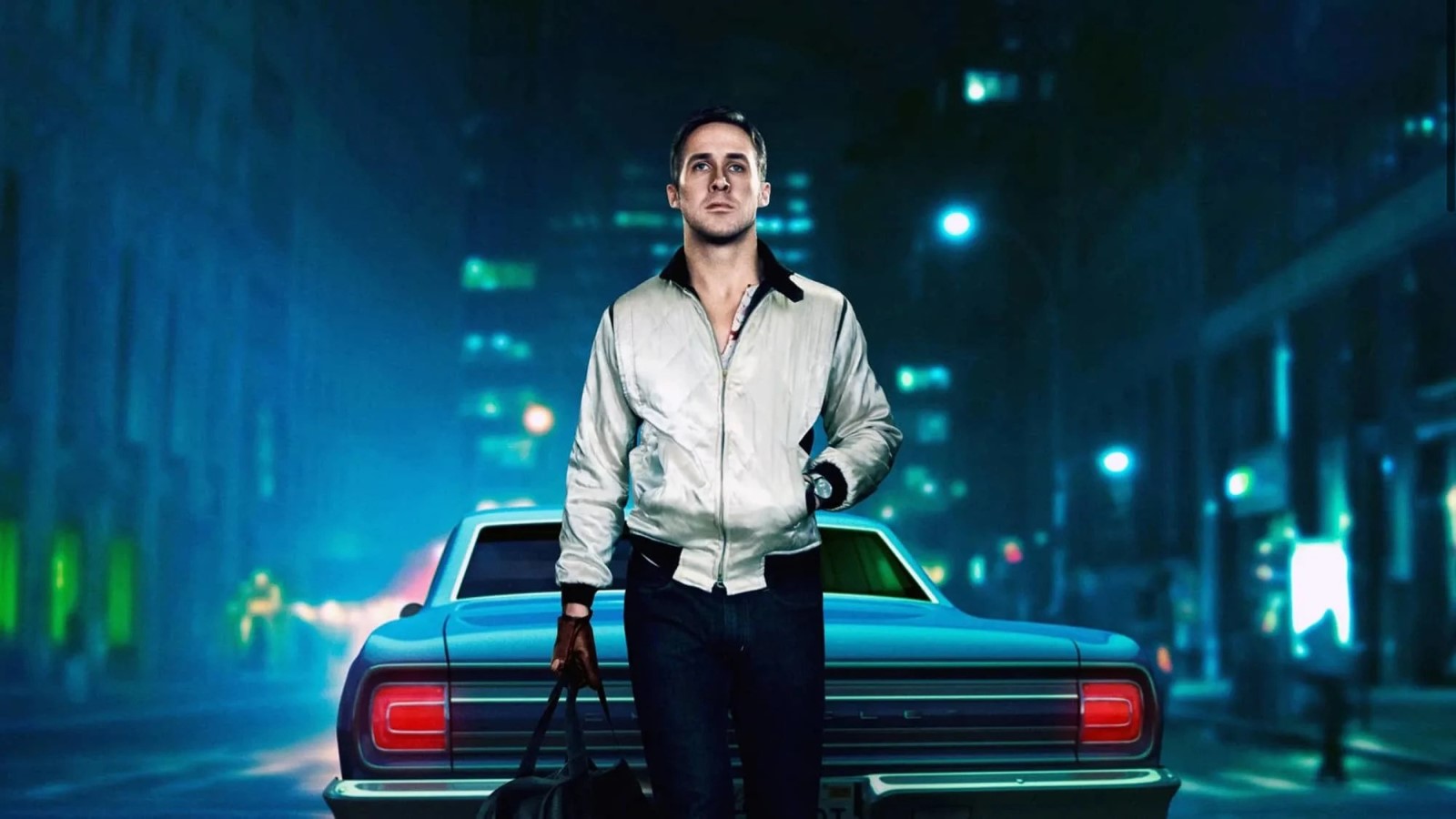
In Nicolas Winding Refn's Drive, The MacArthur—known in the film as the Park Plaza Hotel—serves as the stark backdrop for the protagonist's (played by Ryan Gosling) complex life. The film transforms The MacArthur into the main character's apartment complex, using its corridors and the sweeping views from its real windows to frame pivotal moments that blend the film's cool, stylized violence with moments of quiet introspection.
This setting not only captures the atmospheric tension of Los Angeles but also emphasizes the isolation and duality of Gosling's character—a stunt driver by day and a getaway driver by night. The Park Plaza Hotel's architectural features and its views of downtown Los Angeles are used to visually enhance the film's narrative, reflecting the protagonist's inner turmoil and the city's sprawling, often contradictory nature.
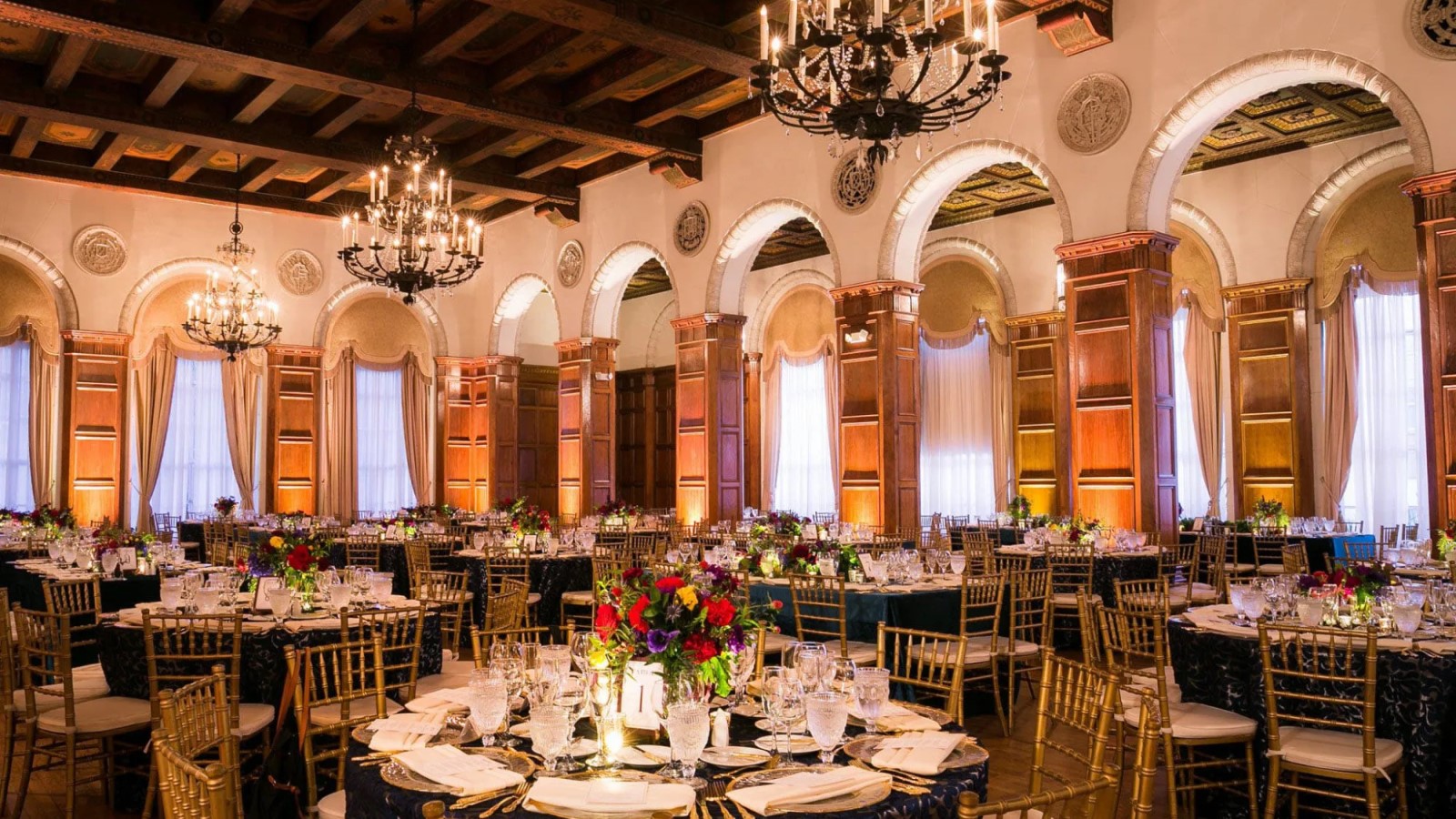
Alt image: Elegant and spacious hall inside The MacArthur featuring arched windows, ornate wooden pillars, a large wooden ceiling with detailed beams, and a grand chandelier, showcasing its historical and architectural significance used in films.
Mystery Men (1999)
In "Mystery Men," The MacArthur's grand ballroom is ingeniously transformed into a retirement center gala. This scene is pivotal as it cleverly juxtaposes the elegance of the venue with the comical ineptitude of the film's makeshift superhero team. The grandeur of The MacArthur adds a layer of irony to the scene, emphasizing the contrast between the heroes' aspirations and their far-from-glamorous realities. This setting not only enhances the humor but also deepens the character development, providing a visual metaphor for the film's exploration of heroism in the ordinary.
Kill Bill: Vol. 1 (2003)
Quentin Tarantino's "Kill Bill: Vol. 1" features The MacArthur as a key location during the film’s iconic fight sequences. The dramatic interiors of The MacArthur, with their rich textures and intricate details, provide a grandiose stage that elevates the intensity of the action. The choice of location adds a touch of elegance and timelessness to the brutal combat scenes, creating a stark contrast that is visually striking and thematically resonant with the film's revenge narrative.
The Mask (1994)
In "The Mask," The MacArthur is transformed into the lively Coco Bongo club. This setting is central to the film as it is where Jim Carrey's character, Stanley Ipkiss, undergoes his most significant transformations. The opulence of The MacArthur perfectly complements the extravagant and fantastical elements of the film. The venue's real-world grandeur enhances the film's surreal, animated quality, making the scenes set in the Coco Bongo some of the most memorable and visually dynamic.
La La Land (2016)
"The MacArthur features prominently in "La La Land" during a romantic dance sequence that has become one of the film's most celebrated moments. The venue's timeless elegance and classic Art Deco styling provide the perfect backdrop for the film's themes of love, dreams, and nostalgia. This sequence not only utilizes The MacArthur's visual appeal but also its symbolic resonance, as the setting underscores the film's blending of reality and fantasy, mirroring the protagonists' journey through the highs and lows of pursuing their dreams in Hollywood.
Each of these films showcases The MacArthur's ability to not only complement but also elevate the storytelling process, making it a beloved location in Hollywood's cinematic history.
The Enduring Impact of The MacArthur in Cinema
The MacArthur's legacy in film serves as a testament to Los Angeles' rich cinematic history, continuing to shape contemporary filmmaking. This iconic venue has not only witnessed but has significantly enhanced the storytelling of numerous acclaimed films, utilizing its unique ambiance to deepen narrative experiences.
Cinematic Staple
The MacArthur's role in the entertainment industry is highlighted by its appearance in some of the most celebrated films. Its grandeur and architectural beauty have made it a sought-after location for directors seeking a setting that conveys elegance and historical depth. The films shot here are not only popular but have often been recognized for their artistic and technical excellence:
"The Artist" (2011) - This Oscar-winning film, celebrated for reviving the magic of the silent era, features scenes shot at The MacArthur, perfectly aligning with its classic aesthetics.
"Gangster Squad" (2013) - Set in the 1940s, The MacArthur's period-appropriate look enhances the film's noir atmosphere, aligning well with its thematic elements.
"Catch Me If You Can" (2002) - The MacArthur features in several scenes, enhancing the film's dynamic depiction of a glamorous bygone era.
"Se7en" (1995) - Utilizes The MacArthur for its moody and atmospheric setting, which fits the film's dark and intense plot.
"Chaplin" (1992) - Scenes from this biopic were filmed here, with its early 20th-century architecture aligning with the historical themes.
"Beverly Hills Cop" (1984) - The distinctive features of The MacArthur complemented this classic action-comedy's lively sequences.
"Wild at Heart" (1990) - David Lynch's distinctive vision was supported by The MacArthur's surreal and ornate interior.
"New Girl" (TV Series, 2011-2018) - Showcased The MacArthur's versatile spaces, demonstrating its appeal across various screen productions.
"The Prestige" (2006) - The illusionary and mysterious themes were magnified by The MacArthur's majestic and enigmatic ambiance.
Recognition
Films shot at The MacArthur have achieved both box office success and critical acclaim, underscoring its significance in the arts. This venue has aided filmmakers in creating visually stunning, award-winning works that contribute to the history and evolution of cinema. Its continuous use in high-profile projects reflects its status as a pivotal Hollywood location, celebrated for both its aesthetic qualities and its ability to adapt to diverse cinematic needs.
The MacArthur’s Lasting Legacy in Hollywood
The MacArthur is more than just a venue; it is a storied palace that hosts the dreams of filmmakers and the memories of film enthusiasts. Its walls hold stories of past and present, making it a perpetual icon in Hollywood’s ever-evolving cinematic landscape. Its continued relevance in the film industry not only celebrates its past but also paves the way for future stories to be told within its historic confines.